


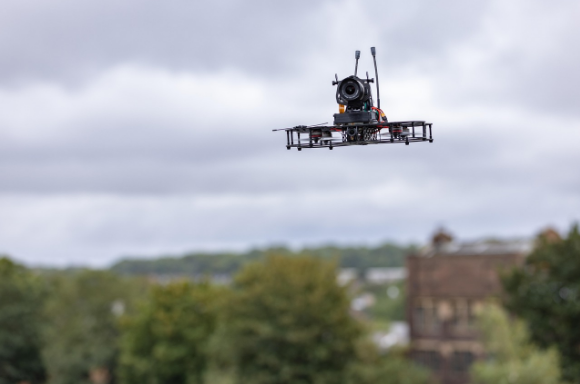
A New Paradigm in Construction Site Safety
The use of drones in construction has extended beyond novelty into operational necessity, particularly in the domain of site safety. Over the past decade, unmanned aerial vehicles (UAVs) have moved from peripheral tools to integral components of hazard detection, progress monitoring, and real-time risk assessment on active construction zones. Our review of industry deployments and emerging technologies suggests that drones are improving safety outcomes while reshaping conventional practices in project management and regulatory compliance.
The essence of this transformation is twofold. First, drones reduce human exposure to hazardous conditions by enabling remote inspection of elevated structures, unstable surfaces, and confined spaces that historically posed significant risks to inspectors and workers. Second, the integration of advanced sensor suites and analytics — including emerging safety artificial intelligence platforms — amplifies the utility of drone data beyond imagery into actionable safety intelligence. This evolution matters because construction remains one of the world’s most dangerous industries; mitigating risk has direct implications for worker health, insurance costs, and the economic viability of major infrastructure programs.
In this report, we examine how drones are being deployed to enhance construction site safety, evaluate the supporting data and trends, and outline what industry stakeholders should watch next in both technology and policy domains.
Historical Drivers of Drone Adoption in Construction
The adoption of drone technology in construction responds to structural and safety challenges that have long hindered industry performance. Construction work inherently involves hazards such as working at height, unstable temporary structures, interaction with heavy machinery, and exposure to variable environmental conditions. Historically, safety monitoring relied on manual inspections and ground-based observation, both of which are time-consuming and risk-laden.
Drones emerged as a potential solution to these limitations, offering aerial access and high-resolution data capture without requiring personnel to enter dangerous spaces. Early research and pilot programs, particularly in infrastructure monitoring and industrial inspections, demonstrated that UAVs could replicate and often exceed the data quality of traditional methods while keeping personnel at a safe distance. Over time, this capability has been codified into construction safety workflows in multiple regions.
Authoritative bodies such as the U.S. Occupational Safety and Health Administration (OSHA) have documented the high incidence of falls and other hazards that account for a significant share of workplace injuries in construction. Drones, when used as part of a comprehensive safety program, help fill gaps in site visibility and situational awareness that conventional approaches struggle to address.
Current Deployment: Drones on Active Job Sites
Today, drone technology is used across a spectrum of construction safety functions:
- Routine Hazard Monitoring: Drones equipped with high-definition cameras and thermal or multispectral sensors conduct aerial site sweeps, flagging unsecured materials, unstable scaffolding, or unsafe worker practices without exposing inspectors to danger.
- Progress Inspections: Frequent drone flights produce visual records that allow project managers to compare current conditions with safety benchmarks and design plans.
- Risk Detection with AI: Advanced software now analyzes imagery for OSHA-aligned safety risks, generating actionable reports that can reduce on-site hazards substantially within weeks of deployment.
- Hard-to-Reach Assessments: Drones access elevated or confined areas — roofs, façades, and structural frameworks — that would otherwise require scaffolding or lifts, eliminating a significant source of accidents.
These applications reflect a shift from isolated drone use to integrated safety systems that contribute to both operational oversight and risk mitigation.
Why This Matters to Stakeholders
The growing deployment of drones for safety at construction sites has multi-dimensional implications:
Worker Health and Safety:
Reducing the need for manual inspections in high-risk areas directly addresses the leading causes of injury and fatality in construction. By lowering exposure to falls, equipment accidents, and unstable structures, drones contribute to a safer work environment.
Economic and Operational Impact:
Fewer accidents mean fewer compensation claims, lower insurance premiums, and less schedule disruption. Enhanced site visibility also accelerates decision-making and reduces rework. The integration of AI-assisted risk detection promises further operational efficiencies by automating hazard identification that once relied on expert review.
Regulatory and Compliance Relevance:
Drone data supports compliance documentation and can streamline reporting to regulators, aligning with evolving safety standards. As authorities refine guidelines around UAV operations, adherence to these protocols will become part of standard compliance practice.
Technology Adoption Curve:
The construction industry historically has been slower to adopt digital innovation compared to sectors such as manufacturing. Drones, particularly when paired with analytical platforms, represent a tangible step in modernizing field operations and integrating data into strategic safety processes.
Data, Evidence & Trends
While comprehensive global statistics on drones in construction safety remain emergent, multiple data points indicate significant trends:
Table 1 — Selected Drone Safety Impact Indicators
| Indicator | Metric | Source Context |
|---|---|---|
| Hazard detection improvement | ~89% reduction in visible unsafe conditions (beta AI tool users) | Early AI integration pilots |
| Exposure reduction | Eliminates need for physical inspection in elevated/unsafe zones | Industry implementations |
| Time savings (survey data) | Surveys reduced from days to hours | Various industry reports |
| Cost correlation | Lower insurance premiums and fewer compensation claims | Emerging practice data |
Interpretation:
The data indicate that drone-enabled workflows contribute both to reducing direct exposure to hazards and to broader operational efficiencies. Importantly, the integration of AI into safety monitoring magnifies these effects by accelerating hazard detection and prioritizing responses.
In geographic terms, adoption has seen early traction in developed construction markets (North America, Europe, Australia) where regulatory frameworks for UAVs are established. Adoption in Middle East markets such as the UAE is also advancing in major infrastructure and smart city projects.
Institutional and Global Perspectives
Key institutions and policy bodies are engaging with the implications of drones in construction and safety:
- Regulatory Bodies: Agencies such as the U.S. Federal Aviation Administration (FAA) are updating UAV operational guidelines to balance innovation with airspace safety.
- Standards Organizations: Industry groups are incorporating drone-derived data into safety protocols and best-practice standards.
- Research Institutions: Independent analyses highlight both the benefits and the new risk vectors introduced by drone operations, emphasizing that safety gains require robust operational controls and training.
- AI Platforms and Technology Providers: The emergence of safety AI tied to drone imagery reflects a broader institutional shift toward predictive and automated risk management.
Together, these perspectives signal that drones are not just technological add-ons but drivers of systemic change in safety governance and site management.
Implications for the Road Ahead
Looking forward, several developments will shape the trajectory of drones in construction safety:
- Integration with Digital Twins and BIM: As construction sites adopt digital twin technology and Building Information Modeling (BIM), drone data will feed directly into real-time safety dashboards.
- Regulatory Harmonization: Cross-jurisdictional alignment of UAV standards will ease deployment for multinational contractors.
- AI-Driven Predictive Analytics: Enhanced algorithms will move beyond detection toward prediction of safety risks based on historical and contextual data.
- Training and Workforce Development: Ensuring that safety professionals are trained not just to operate drones but to interpret and act on data will be critical.
These areas represent monitored trends rather than definitive forecasts; stakeholders should evaluate context-specific conditions when considering investment or policy changes.
Resources
For readers seeking deeper context and comparative coverage on related technological trends:
- Internal analysis on construction technology innovations can be found in our brief on Emerging Tech in Infrastructure.
- Our examination of workplace safety technologies includes insights in Workplace Safety and Automation.
Authoritative external sources:
- Occupational risk profiles and industry standards are outlined by OSHA safety resources and related guidance.
- Analysis of UAV safety risks and controls is available through the CDC Office of NIOSH.
- Policy and regulatory frameworks for UAV operations are described by the FAA’s drone program.
Author Bio:
Written by the editorial team of Malota Studio, focusing on data-backed analysis and visual storytelling across science, technology, and public policy topics.


